Hot Poultices: Natural and Effective Remedies
Poultices are topical preparations applied to relieve pain, tension, and inflammation. Their effectiveness comes from both heat and the properties of the plants or foods used. Here are four simple recipes and their uses:
1. Potato Poultice
- Uses: Relieves muscle pain, eases back tension, clears congested bronchi, warms cold hands and feet, and soothes irritated sinuses.
- Properties: Moist heat stimulates blood circulation, relaxes sore muscles, and helps fluid drainage.
- Preparation: Cook 2–6 organic potatoes until soft. Mash them in a cloth to form a poultice about 2 cm thick. Let cool to a safe temperature and apply to the area. Leave on for up to 1 hour. Use once only.
2. Mustard Poultice
- Uses: Clears congested airways, relieves cough, and decongests bronchi.
- Properties: Stimulates circulation and promotes respiratory drainage.
- Preparation: Mix 1/4 cup mustard flour with warm water (<40 °C) to form a smooth paste. Spread on a compress and apply without direct contact with the skin. Secure with a cloth, leave 10–15 minutes, then rinse.
- Precautions: Test on a small area first. Avoid sensitive or irritated skin.
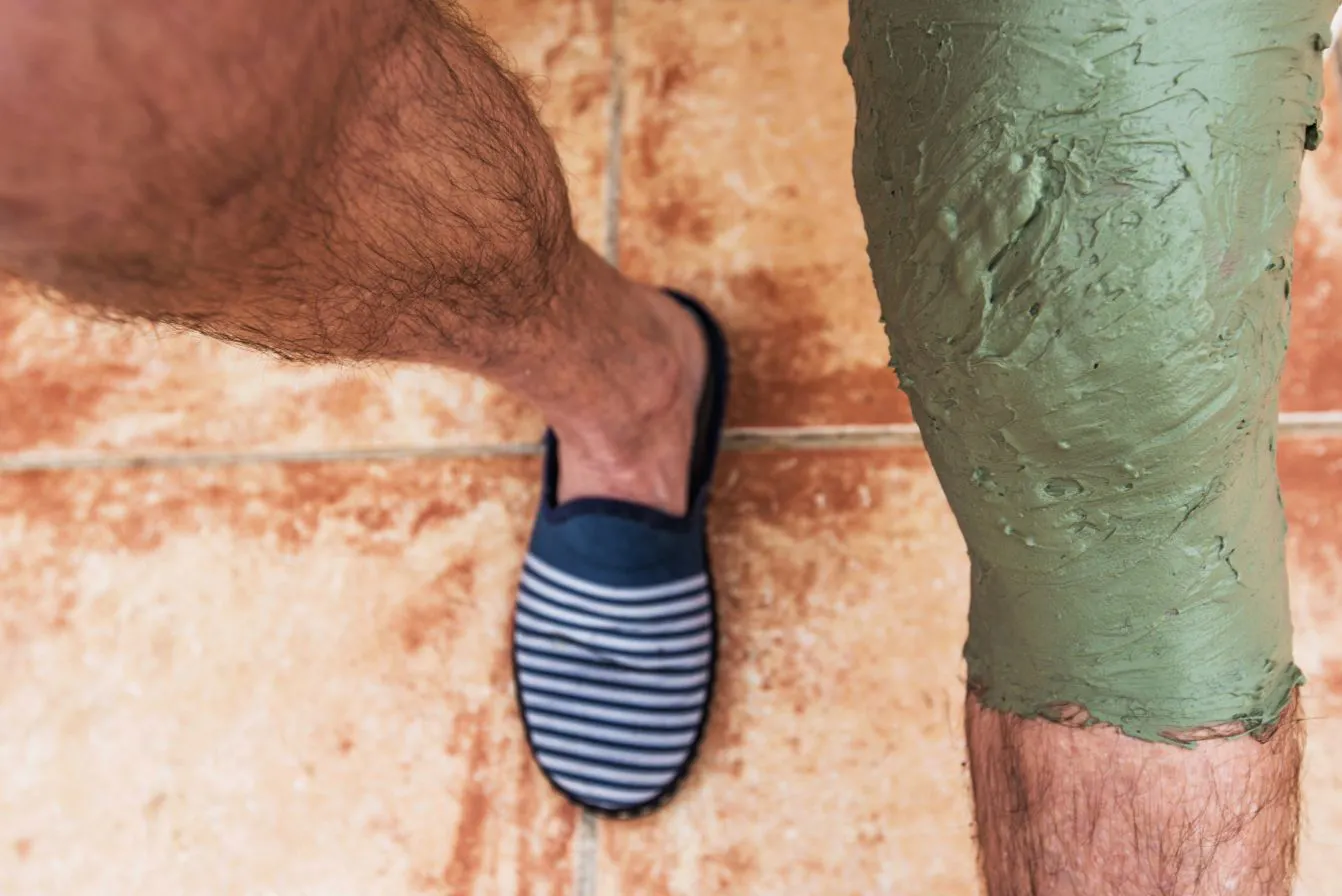
3. Warm Green Clay Poultice
- Uses: Relieves sore muscles, reduces local inflammation, and eases tension.
- Properties: Green clay stimulates blood circulation and soothes affected areas.
- Preparation: Mix 1/4 to 1/2 cup green clay with warm water to form a thick paste. Spread on a compress and apply to the affected area. Secure with a cloth, leave 1–2 hours, then rinse.
4. Flaxseed Poultice
- Uses: Relieves inflammation, muscle pain, and respiratory issues, while warming cold areas of the body.
- Properties: Flaxseed mucilage retains heat, soothes irritation, and prolongs therapeutic effects.
- Preparation: Heat 1/4 to 1/2 cup flaxseeds in water until a thick paste forms. Spread on a compress and apply to the affected area. Secure with a cloth, let cool, then remove.
General Tips:
Always check the temperature before applying. Use each poultice only once, and cover the area to retain heat. Adjust duration and frequency according to individual sensitivity and tolerance.