Chickpeas: Your Health… and Seduction Ally
Long considered a simple “poor man’s food,” chickpeas deserve a full rehabilitation today. Behind their small beige seeds lies a legume with remarkable nutritional and therapeutic benefits.
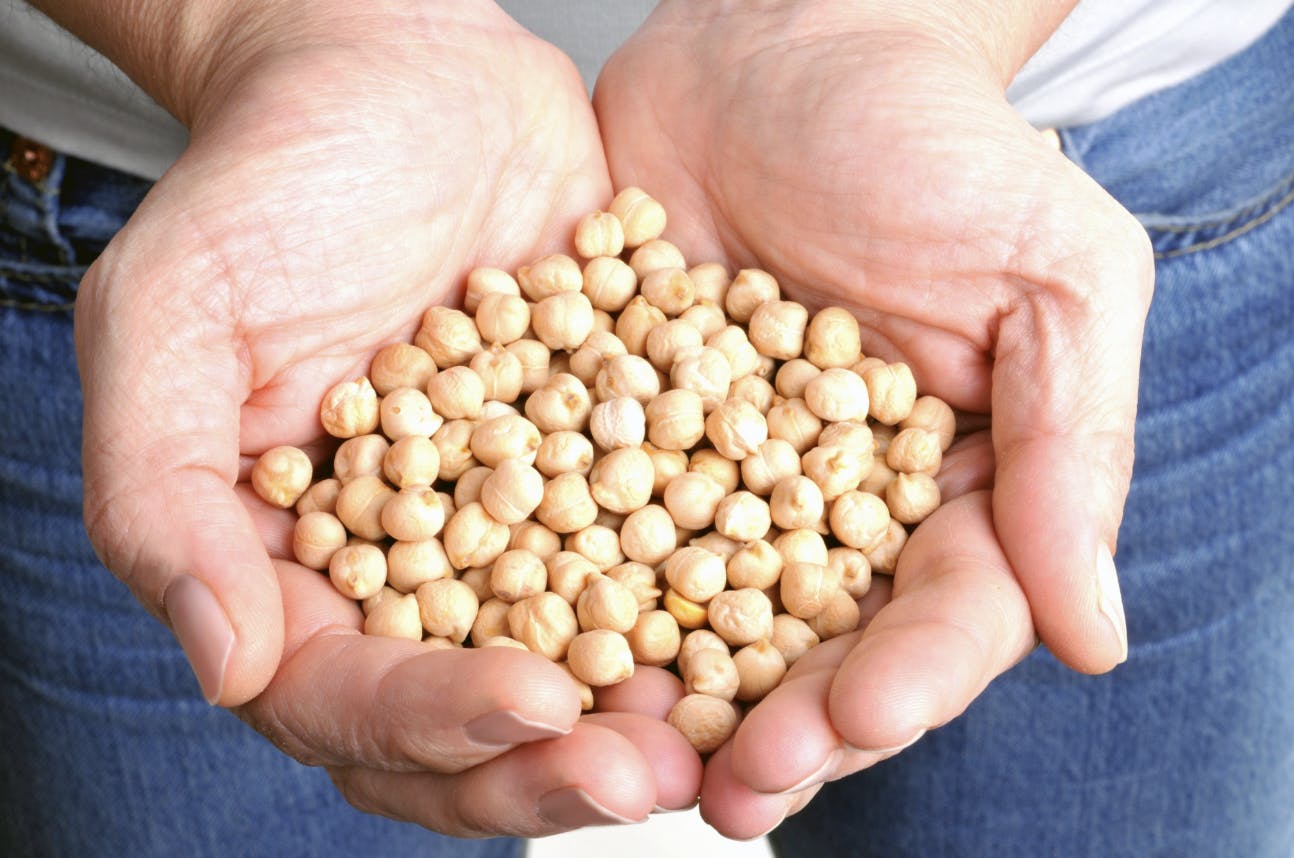
Part of the legume family, chickpeas have been cultivated for millennia in the Middle East before spreading across the Mediterranean. Their pod, shaped like a ram’s head, gave rise to their Latin name, Cicer arietinum. It is these dried seeds that we consume.
Underrated Nutritional Value
Chickpeas stand out for their high content of fiber, plant-based protein, and polysaccharides, with roughly 5% fat — modest, yet higher than many other legumes. Unlike animal proteins, which can raise blood cholesterol, chickpeas help reduce cholesterol thanks to their fibers, phytates, and phytosterols. They also support digestive health and improve intestinal transit.
Another lesser-known advantage: they contain as much calcium as some fresh cheeses. With just 50 g of chickpeas, you get approximately 13 g of fiber, making them an excellent ally against constipation, even for children (when pureed, with the skin retained for extra effectiveness).
Too Little Space on Our Plates
In France, annual consumption remains low, despite chickpeas feeding millions around the Mediterranean, from India to Spain. Yet, chickpeas can be enjoyed in countless ways:
- In soups, salads, purees, or hummus
- Fried, fermented, or incorporated into patties like socca from Nice or panisse from Marseille
- Historically even roasted to replace coffee in times of scarcity
The fresher the chickpeas, the faster they cook, though dried seeds still require soaking.
Ancient Medicinal Uses
Traditional medicine recognized surprising benefits. In the Middle Ages, chickpeas were even considered aphrodisiacs. Some early agronomists recommended chickpea broth to relieve urinary troubles, liver congestion, or to promote detoxification through its diuretic effect.
Traditional Preparations
Internal use:
- Soak 100 g of chickpeas overnight
- Boil for 1 hour with 50 g fresh parsley
- Strain and consume within 24 hours
External use:
- Applied as a warm poultice, chickpea flour was used on the chest for respiratory inflammation
A Treasure to Rediscover
Giving chickpeas the recognition they deserve is not nostalgia — it’s reconnecting with a local, economical, ecological, and incredibly versatile food. Reintroducing them into modern cuisine, inspired by global traditions, enriches both our health and our taste buds.