Gemmotherapy: Mountain Pine
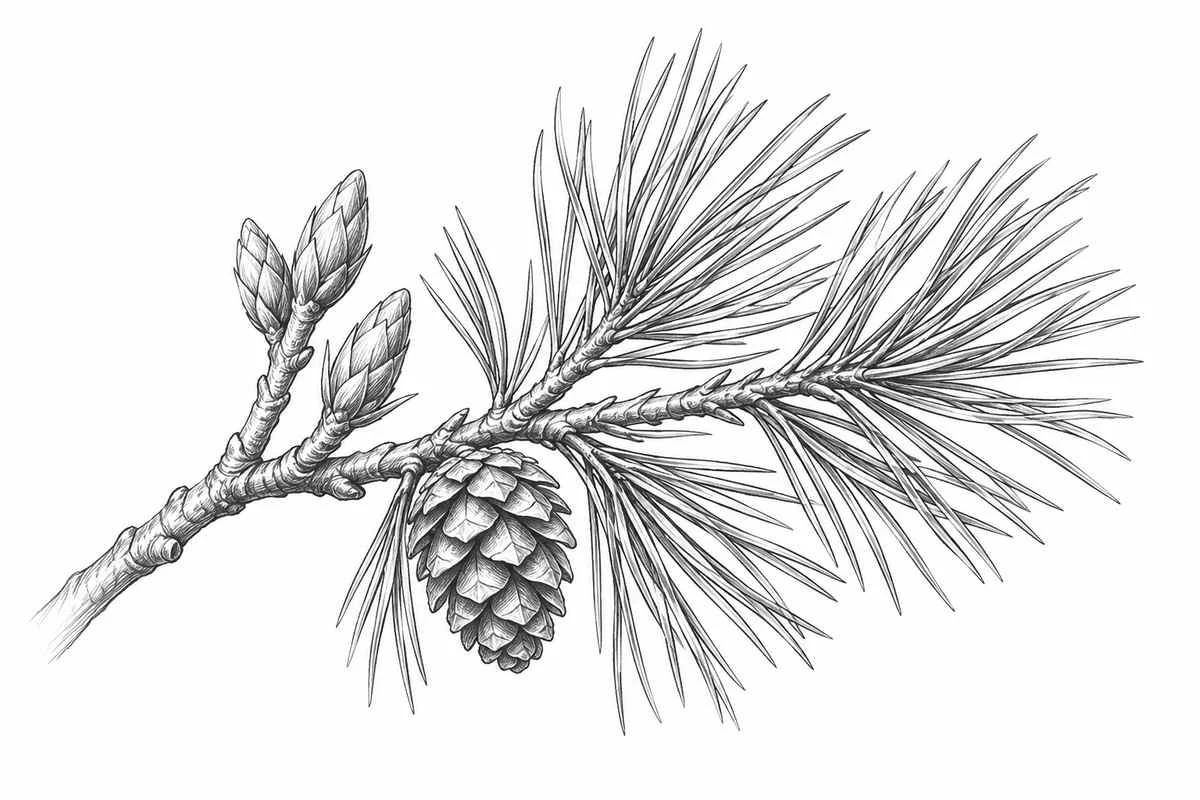
In gemmotherapy, certain buds are traditionally associated with specific physiological functions. Mountain pine (Pinus montana) holds a special place for its link with the musculoskeletal system. It is notably presented as a support for bone remineralization and cartilage regeneration.
Let's look at the properties attributed to it and the main situations in which it is traditionally used.
The pine bud: an action focused on bones and joints
Mountain pine bud mother macerate is mainly associated with the musculoskeletal system.
In gemmotherapy, it is described as a remineralizing and regenerating remedy, credited with an action on joint cartilage and bone structure.
It is thought to stimulate the activity of chondrocytes, the cells responsible for producing and maintaining the cartilage matrix. This action is traditionally highlighted to support joint wear and tear.
Main traditional uses
1. Supporting joint disorders
Pine is particularly mentioned for the various forms of osteoarthritis, including:
- cervical and lumbar osteoarthritis;
- gonarthrosis (osteoarthritis of the knee);
- coxarthrosis (osteoarthritis of the hip);
- osteoarthritis of the small joints.
It is also traditionally used to support chronic osteoarthritis pain, inflammatory rheumatism and certain joint conditions such as ankylosing spondylitis.
Its value is also mentioned for tendons and their attachment points.
2. Supporting bone health
The pine bud is also presented as a fortifier of bone tissue.
Its remineralizing properties give it a place in traditional approaches aimed at supporting osteoporosis and helping prevent fractures, especially in women after menopause.
It is therefore associated with the need to support bone mass during aging.
3. Supporting degenerative processes
In the traditional reading of gemmotherapy, pine is also associated with wear and degeneration of musculoskeletal tissues.
It is notably mentioned for so-called senescent terrains and in the naturopathic tradition of sycosis.