Measles and Mumps in Childhood: A Link to Heart Health?
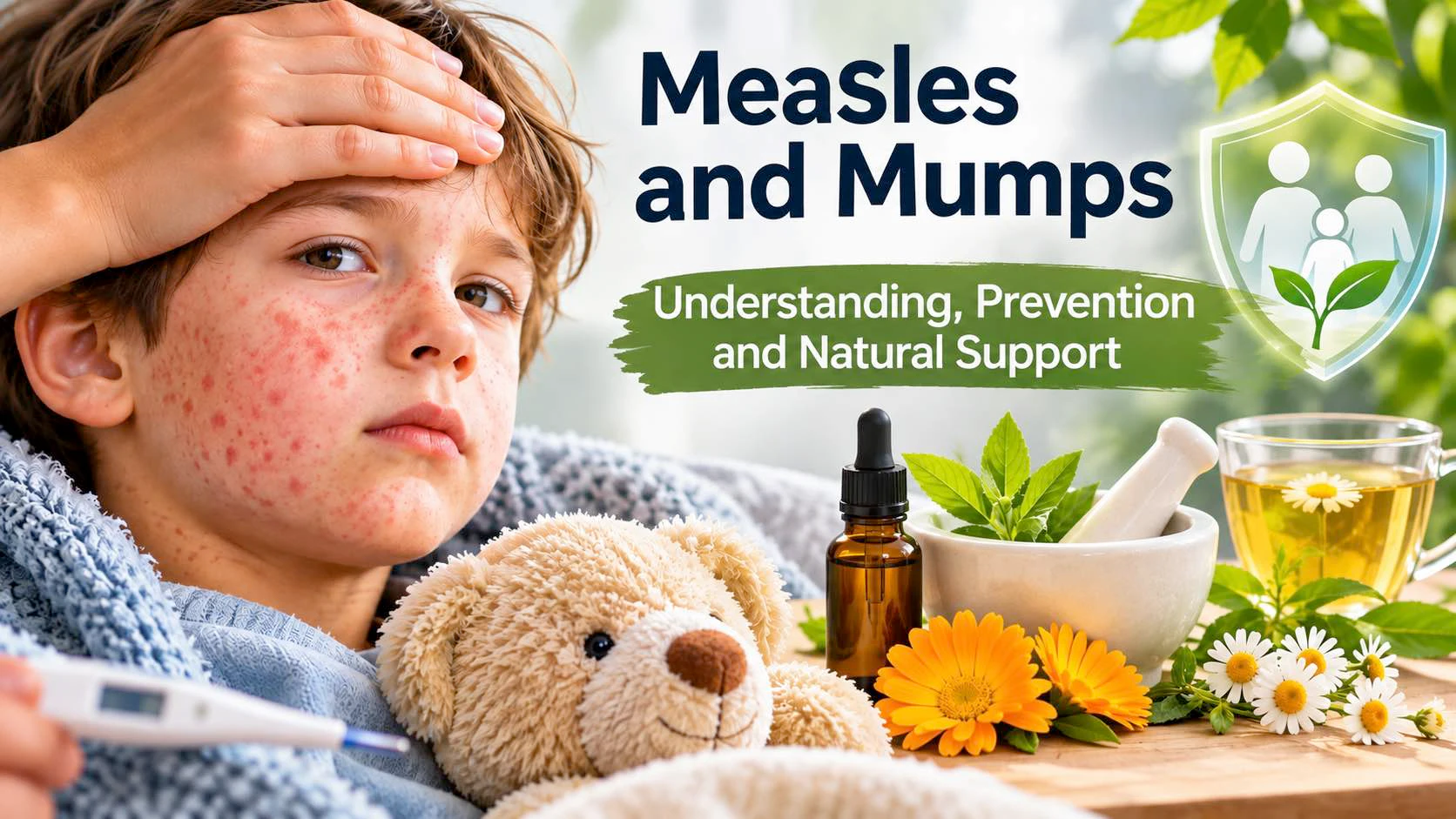
Some infectious diseases caught in childhood may have unexpected effects on health in adulthood. A Japanese study notably observed an association between a history of measles and mumps and a lower risk of certain cardiovascular events. How should these findings be interpreted?
An intriguing scientific finding
Measles and mumps are two viral diseases that were once very common in childhood. While their immediate effects are well known, their possible consequences for health several decades later are also of interest to researchers.
A Japanese epidemiological study, published in the scientific journal Atherosclerosis, looked at the relationship between a history of these childhood infections and the occurrence of cardiovascular disease in adulthood.
The researchers observed that people who reported having had measles and mumps as children showed, in some analyses, a lower risk of cardiovascular events, particularly heart attack (myocardial infarction) and stroke.
According to the reported results, men who had both diseases showed relative reductions of about 29% for heart attacks and 17% for strokes. In women, these reductions reached 17% and 21% respectively.
These observations are interesting, but they do not show that the infections themselves have a protective effect.
The complex role of the immune system
The immune system develops and changes throughout life. From childhood onward, it interacts with many microorganisms and learns to recognize different infectious agents.
Researchers have long been interested in the links between the microbial environment, immune maturation and the development of certain chronic diseases.
Atherosclerosis, which is responsible for a large share of cardiovascular disease, is not simply the result of fat building up in the arteries. It also involves complex inflammatory and immune mechanisms.
It is therefore reasonable to ask whether certain early immune experiences might influence these mechanisms over the long term, directly or indirectly.
However, several other factors could explain the associations observed: family environment, living conditions, diet, health habits, or the characteristics of the generations studied.
A finding that should not overshadow the risks
It would be wrong to conclude that deliberately catching measles or mumps is a way to prevent cardiovascular disease.
Measles can cause serious complications, including pneumonia, neurological damage and a lasting weakening of some immune defences. Mumps can also lead to complications such as meningitis, inflammation of the testicles or hearing loss.
Vaccination remains the main way to prevent these infections and their complications.
An interesting perspective for overall health
This research is a reminder that cardiovascular health and immune function are closely linked, and that many aspects of this relationship are still to be explored.
In a holistic approach to health, it makes sense to look at the interactions between immunity, inflammation, metabolism and lifestyle habits.
Cardiovascular prevention nevertheless rests on measures whose benefits are well established: a balanced diet, regular physical activity, enough sleep, not smoking, and keeping blood pressure, blood sugar and blood lipids under control.
In conclusion, this Japanese study opens an interesting line of thought on the links between childhood infections and long-term cardiovascular health. It shows how complex immune mechanisms are, while reminding us that a statistical association is not proof of cause and effect.
If you enjoyed this article, you may also be interested in: Reducing the Risk of Cardiovascular Disease
References: Japanese study published in Atherosclerosis; World Health Organization, Measles; Public Health Agency of Canada, information on measles and mumps.